
Handing your child over to someone new, even for a few hours, can feel like a bigger leap than it sounds. Most of the worry isn't really about the babysitter — it's about the unknowns. A little preparation closes most of those gaps. With the right groundwork, you can walk out the door feeling confident instead of checking your phone every ten minutes.
Start With Trust, Not Just Availability
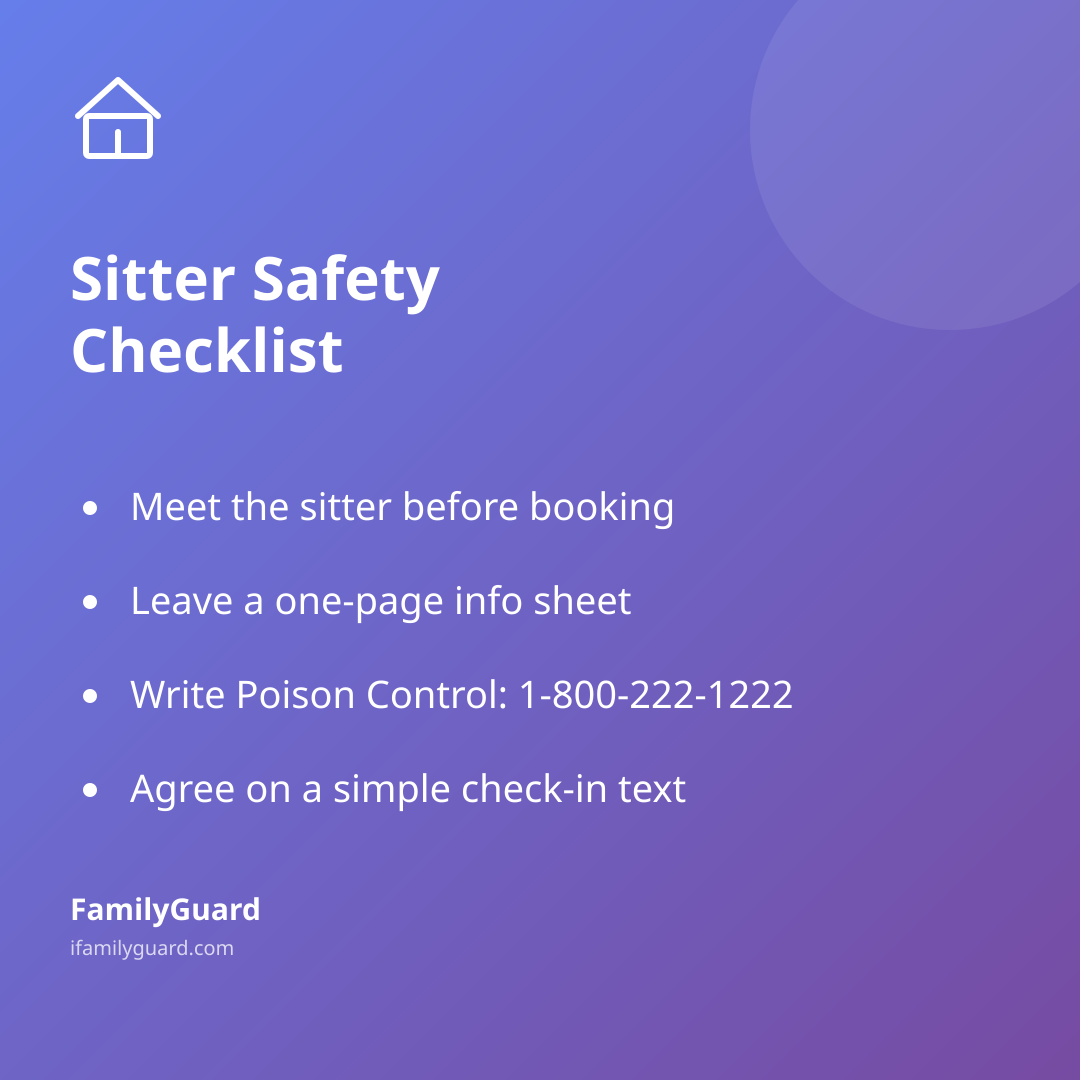
Before anything else, you want a sitter your family actually trusts — not just someone who's free on Saturday night. The American Academy of Pediatrics' (2022) guidance on finding a sitter recommends getting recommendations from people you know, checking references, and meeting the sitter in person before the first booking. A short meet-and-greet, with your kids present, tells you a lot: how the sitter talks to your children, whether they ask good questions, and whether your child seems comfortable around them.
The AAP's (2022) babysitting reminders suggest the sitter be at least 13 years old and mature enough to handle common emergencies, with first aid training and CPR knowledge. If you're hiring a teen sitter rather than a professional, a babysitting course through the Red Cross or a local hospital is a great sign — it means they've practiced the basics before they ever needed them.
Give Your Sitter a Proper Walkthrough
Once you've found someone you trust, don't just hand over the house keys and head for the door. Walk them through it, even if it feels like overkill:
- Point out exits, fire escape routes, and where the first aid kit lives
- Show them how door and window locks work, and which lights to leave on
- Review feeding, bath, and bedtime routines so the evening feels normal to your kids
- Flag any allergies, medications, or medical needs clearly and in writing
- Let them know who is and isn't allowed at the door or on the phone
This walkthrough does double duty: it reassures the sitter, and it reassures your child, who can see that the new person already knows the house rules.
The One-Page Info Sheet Every Sitter Needs
A single sheet on the fridge or counter can answer almost every question a sitter might have in the moment, so they're not hunting for information during a stressful minute. The AAP's (2022) babysitting checklist recommends including:
- Your cell numbers and the address you're currently at
- A trusted neighbor's or relative's number, in case you're briefly unreachable
- Your pediatrician's number and the nearest urgent care or ER
- Poison Control: 1-800-222-1222 (a free, 24/7 U.S. hotline — worth writing down even if it never gets used)
- Your home address, cross streets, and gate or entry codes, for 911 calls
- Each child's full name, date of birth, and any allergies or conditions
It feels like a lot to write out, but most of this only needs updating once. Keep a template on your phone or in a shared note so it's ready for every future sitter.
Set Up a Simple Check-In Plan
You don't need to call every half hour — that pulls attention away from the kids and can make everyone a little tense. Instead, agree on a light touchpoint or two: a quick text once the kids are in bed, or a photo if they're having fun at the park nearby. One message that says "all good, down for the night" does more for your peace of mind than three missed calls.
If your family already uses a location-sharing app like FamilyGuard for everyday check-ins, it can help here too — not to watch over the sitter, but to give your child a familiar, consent-based way to stay in touch. A smart zone alert that lets you know the moment your child arrives at the playground, or a one-tap SOS your child already knows how to use, can be a quiet extra layer of comfort for an outing away from home, on top of whatever check-in you've agreed with the sitter.
Whatever system you choose, tell your sitter what to expect: "Don't worry if I text to check in, it's just our habit" removes any awkwardness and keeps things feeling normal rather than monitored.
Talk to Your Kids, Too
Babysitter prep isn't only for grown-ups. A quick conversation beforehand helps your child know what the evening will look like: who's coming, what's for dinner, and that you'll be back by a certain time. For younger kids, a simple reminder that it's okay to ask the sitter for help, or to come find them if something feels wrong, goes a long way. For older kids, this is a good moment to reinforce the basics of answering the door or the phone while an adult is in charge, and who's allowed to say yes to visitors.
The First Night Gets Easier
The first time you leave your child with someone new is almost always the hardest. Once the sitter knows your routines, your kids know the sitter, and everyone has a simple way to reach each other, it stops feeling like a leap of faith and starts feeling like a plan. That's really the whole goal: not eliminating every unknown, but shrinking it down to something manageable, so date night — or just an hour at the grocery store — can actually feel like a break.